EDGEHILL FINDS HOME IN THE IN-BETWEEN
A DEBUT THAT TURNS NOSTALGIA, GROWING PAINS, AND SMALL-TOWN RESTLESSNESS INTO SOMETHING CINEMATIC, TEXTURED, AND QUIETLY ANTHEMIC.
From the first note, Ode to the Greyhouse settles in like a storm rolling over the horizon—heavy, patient, and impossible to ignore. Edgehill leans hard into their instrumentation, letting brooding guitar lines and tense, deliberate build-ups do the emotional heavy lifting before crashing into cathartic drops that hit like thunder. It’s a darker, mood-driven record—the kind you reach for on a stormy day, when the sky hangs low and everything feels reflective. Ode to the Greyhouse isn’t just a debut—it’s a thesis on memory and becoming.
Formed in Nashville at Vanderbilt University, Edgehill began as a series of late-night songwriting sessions between classmates before solidifying into a three-piece. The trio—Chris Kelly (lead vocals/guitar), Jake Zimmermann (lead guitar/vocals), and Aidan Cunningham (drums)—quickly transformed those campus demos into something louder and more defined, carving out their sound in local Nashville venues. Rooted in alternative and indie rock, Edgehill blends moody atmospheres with dynamic instrumentation, a style shaped as much by rehearsal-room experimentation as by the city’s live music pulse.
Sonically, Edgehill sits in a lane familiar to fans of Post Sex Nachos and The Backseat Lovers—not in imitation, but in atmosphere. Like those bands, they lean into darker instrumentation, letting guitars brood and simmer before erupting into full-bodied drops. The tension isn’t accidental; it’s carefully constructed through patient build-ups, restrained verses, and explosive choruses that feel earned rather than expected.
Lyrically, that same intensity carries through. Edgehill favors introspection over spectacle, pairing emotional vulnerability with instrumentals that amplify every doubt, memory, and realization. More than just a collection of songs, this debut feels meticulously constructed—an anthem to their own emerging identity within the indie sphere. It pays quiet respect to the artists who shaped the genre’s emotional language while carving out space for something distinctly their own, proving they’re not just students of the sound but contributors to its evolution.
While the “Greyhouse” could read as a literal space, it functions more powerfully as a metaphor. The band was physically holed up in a house for months in mid-2024, pushing themselves to write through creative frustration; from that the house, it became symbolic of something larger—a phase of stagnation, self-doubt, and emotional numbness. That period of isolation, where the expectation was simply to “write, write, write,” bred a dysphoric haze that ultimately shaped the emotional core of the record. In that sense, Ode to the Greyhouse isn’t just tied to four walls; it represents a chapter of feeling stuck while knowing you need to move forward.
Thematically, the album wrestles with nostalgia and longing, but not in a sentimental way. Instead, it lingers in the discomfort of in-between moments—the tension between staying and leaving, comfort and growth, who you were and who you’re trying to become. There’s a quiet ache that runs through the record, one that acknowledges stagnation without fully surrendering to it. Certain lyrical moments hit hardest when they lean into that emotional paralysis—reflections on creative drought, identity uncertainty, and the pressure to keep producing even when inspiration feels distant.
Vulnerability shows up not as grand confession but as atmosphere. It’s embedded in the heaviness of the instrumentals, in the patience of the build-ups, in the way the songs sometimes sit in their own unease before breaking open. Rather than offering clean resolutions, Edgehill allows listeners to feel the weight of the process—the doubt, the longing, and ultimately the slow shift toward self-definition.
In the reality of their debut moment, Edgehill is stepping into an indie landscape where fan bases constantly overlap and listeners bounce between familiar sounds. It’s a genre built on shared influences and subtle distinctions, which makes carving out a distinct identity both challenging and essential. At just nine tracks, Ode to the Greyhouse leaves you wanting more—but that restraint works in its favor. It feels intentional, focused, and carefully constructed rather than overextended. As a first statement, it’s a compelling introduction to a band that seems determined to take the spotlight in a passionate yet understated way, letting craft and emotion speak louder than hype.
If this record captures the feeling of being holed up in the Greyhouse, wrestling with doubt and identity, then their upcoming spring tour feels like the moment they step out onto the porch light and into something bigger—a promising next chapter for both the album and the band they’re becoming.
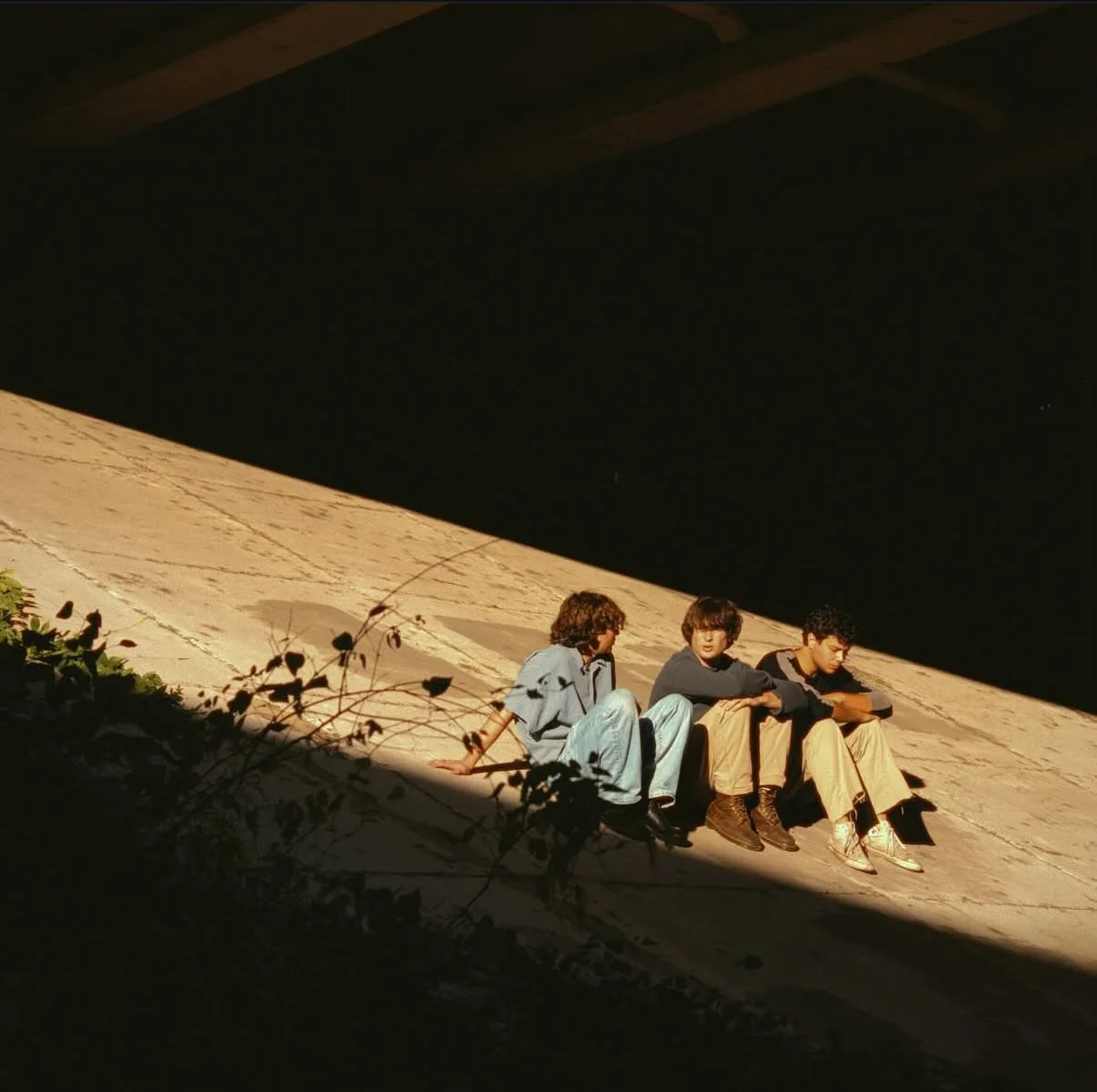

“The song, “Ode To The Greyhouse,” is a title track that sounds like nothing else on the record, but the general emotion of the song seemed to capture the process of making the entire album, so it felt right.”

ODE TO THE GREYHOUSE OUT NOW
Quotes and references from the Edgehill debut album article are credited to Music Scene Media. Content is used for editorial purposes under fair use.